Monitoring Country

Gulf snapping turtle
 Endangered
Other names: Lavaracks' turtle
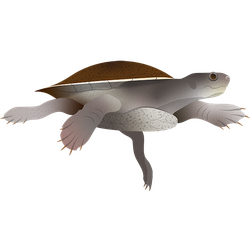
The Gulf snapping turtle or Lavaracks' turtle (Elseya lavarackorum) is a large species of freshwater turtle in the sidenecked family Chelidae. The species is endemic to northern Australia in northwest Queensland and northeast Northern Territory. The species, similar to other members of the Australian snapping turtles in genus Elseya, only comes ashore to lay eggs and bask. The Gulf snapping turtle is a herbivore and primarily consumes Pandanus and figs.
The Gulf snapping turtle is a large, brown to dark brown, short-necked turtle. Its carapace, or upper shell, reaches 35 centimetres (14 in) in straight carapace length; it has an undulating suture between the humeral and pectoral shields in the white plastron, or under shell. The undulating (rather than straight) suture in the plastron distinguishes it from the northern snapping turtle (Elseya dentata)
Species Records
Use the + - Zoom controls to select an area
Threats
The main threats to the turtle include disturbance to nesting sites by feral animals such as pigs, habitat destruction by grazing and watering cattle, and potentially through changes to hydrology, disturbance, and climate change. In addition to these main threats, Lavaracks' turtle has been known to get caught in fishing nets.
Any time you do work that might disturb or interfere with native animals and vegetation, particularly threatened species, you need to check with the state authorities to see if you need any approvals, such as scientific licences or animal ethics committee permits.
CLICK TO LEARN MORE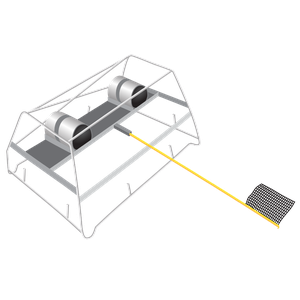

BRUVS are a tool for monitoring aquatic animals like fish. BRUVS are made of a camera and bait container attached to a PVC or metal pipe frame. They are deployed in the water column or on the seafloor, usually for 60 – 90 minutes. Animals are attracted to the bait …