Monitoring Country

Weeds

What is a weed?
Weeds are plants that are living in a place where they don’t belong, causing trouble.
Weeds can reduce the health of Country by:
- outcompeting native plants including bush foods
- changing the way fire moves through the bush and how Country comes back after fire
- reducing the amount of food and shelter needed by our native animals
- being poisonous to humans or animals.
Weeds are big problem for farmers too.
They can be native to Australia but living in the wrong spot or more commonly they come from other countries (called exotics). Sometimes exotics are introduced to Australia by accident but most started out as garden plants, pasture grasses or other food/crop plants.
Different types of weeds
There are about 2700 different types of weeds in Australia with 10 new species being added to the list every year.
|
Type |
Examples |
|
|
|
Grasses |
|
|
|
Herbaceous |
|
|
|
Vines and creepers |
|
|
|
Woody |
|
|
|
Water |
|


Some weeds are considered to be agricultural weeds, some are environmental weeds and some are both.
Some weeds are nastier than others.
For example, invasive weeds are those that can grow fast, spread and disturb native bush.
There are 32 Weeds of National Significance (WoNS) which have been identified by Australian Governments as particularly bad. There is lots of good information on how to manage WoNS.
For some weeds there are restrictions on the sale and movement of plants.
Some species are listed as weeds in some states but not others.
|
National |
|
|
NSW |
|
|
Victoria |
|
|
SA |
|
|
ACT |
Not sure? |
|
NT |
|
|
WA |
|
|
QLd |
Weed names
Like all plant species, weeds have a minimum of two names: a common name and a scientific name. Scientific names are usually in italics.
- Example: Gamba Grass (common name), Andropogon gayanus (scientific name).
Some weeds can have a number of common names – they will be known as different things in different places.
- Example: Parkinsonia aculeata may sometimes be called Parkinsonia, Jerusalem Thorn, Jelly Bean Tree or Horse Bean.
Sometimes there is one name used for more than one species.
- Example: Buffel Grass can refer to both Cenchrus ciliaris and Cenchrus pennisetiformis
- Example: There are two types of Lantana – Common Lantana (Lantana camara) and Creeping Lantana (Lantana montevidensis).
It is important to be sure of the exact species you are dealing with as the control methods may be different.
What to do about weeds?
If there is one nasty weed or a bunch that you are trying to manage on you Country there are lots of things to think about:
|
|
|
|
|
|
|
|
|
|
|
|
|
|
|


If we don’t do smart weed work we can:
- Make the problem worse by allowing the weed to spread further
- Kill native species by accident
- Create conditions for new nasty weeds to move in
- Waste time and money
- Add unnecessary chemicals into the environment
- Make ourselves or other plants and animals sick.
Any time you do work that might disturb or interfere with native animals and vegetation, particularly threatened species, you need to check with the state authorities to see if you need any approvals, such as scientific licences or animal ethics committee permits.
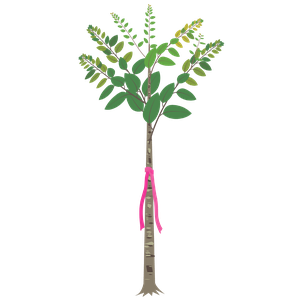
Vegetation plot surveys involve measuring out a small (usually square) area, then counting the different plant species within the plot. The plots can be permanently marked, so you can come back later and repeat the survey. This allows the data to be compared over time. Vegetation plot surveys are cheap …
Primary sources
This landing page was developed using the following sources:
Links
Australian Association of Bush Regenerators: What is a weed? – AABR