Monitoring Country
Great Desert Skink
 Vulnerable
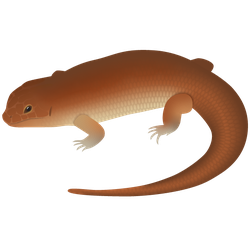
The Great Desert Skink is a large, orange lizard. It lives in a family burrow system with a nearby latrine (toilet spot) where the family all deposit (leave) their scats (poo).
Great Desert Skinks are a traditional food resource and important dreaming (Tjukurrpa) species.
Conservation status
- National – Vulnerable
- NT – Vulnerable, SA – Endangered, WA - Vulnerable
There is a two-way science recovery plan for the Great Desert Skink. The recovery plan brings together Traditional Ecological Knowledge and scientific research to help people know what management and research is needed to best look after the Great Desert Skink.
Where they live
Species Records
Use the + - Zoom controls to select an area
Where they are
Great Desert Skink used to live across the arid (dry) western deserts region of inland Australia. They are now only found in scattered parts of their range. They have declined particularly in the Gibson Desert, Great Victoria Desert and Great Sandy Desert.
Habitat
Great Desert Skinks usually live in in:
- Hard spinifex gravelly plains or sandplains,
- Semi-salty (saline) soft spinifex sandplains, or
- Grassy mulga woodlands.
They like places that haven’t had lots of big fires.

Great Desert Skink Country being searched by Rangers. Credit: Kate Cranney
What they look like
The Great Desert Skink is a big lizard that can weigh up to 350 grams and grow up to 44 centimetres from the nose (snout) to the tip of the tail.
It is usually bright orange but can also be light grey or orange-brown. Its belly is yellow, cream or grey.

Great Desert Skink (Lioipholis kintorei). Credit: Bradley Scott, CC-BY-NC 4.0 (Int).
Threats
The key threats to the Great Desert Skink are:
- Unhealthy Country or lost habitat caused by loss of vegetation cover from wrong-way fire. This is believed to make them more vulnerable to predators.
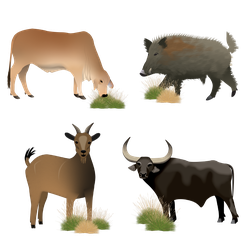
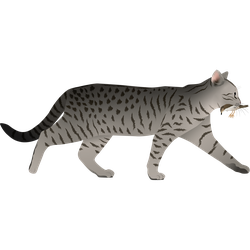
- Predation by Feral Cats is a significant predator of the Great Desert Skink.
Other threats include disturbance from development, weeds, feral herbivores, overharvesting, climate change, loss of Traditional Ecological Knowledge and management of Country.
Lots of people are worried about Great Desert Skinks because they have been lost from a lot of places where they used to live. Great Desert Skinks are also a culturally important – a traditional food resource and important dreaming (Tjukurrpa) species.
You can monitor Great Desert Skinks to:
- Find out if Great Desert Skinks still live on Country
- See how many Great Desert Skinks live on Country
- Check how well management of Country, like right-way fire or feral cat control, is working
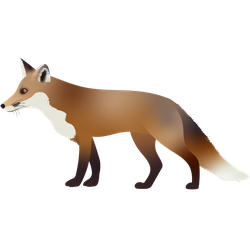
Monitoring can tell us how well management is working; maybe we want to show that our right-way fire work or feral cat and fox control is looking after them. By using one or more the following methods, you can better understand Great Desert Skinks on your Country. If you monitor the same place at the same time every year, you can see if there are changes to Great Desert Skinks on Country.
Active Burrow Search
A good way to monitor Great Desert Skink is by searching for active burrows. This method is based on the Mulyamiji March method. It involves looking for their burrows within 10 hectare (Ha) monitoring sites. You can tell whether a burrow is active if there are tracks and fresh scat.

This film tells the story of 13 Indigenous desert ranger teams from the Northern Territory, Western Australia and South Australia who used their expert tracking skills throughout March 2023 to find burrows and collect scientific data as part of a new Indigenous-led National Recovery Plan for Tjakura.
What can you learn?
If you do the survey once:
- Find out how many Great Desert Skink are present on country at that time.
If you do the survey over multiple years (and at the same time of year):
- See whether Great Desert Skink numbers are going up or down.
- Check how well your management is working.
Using it the Right-way
By using these standardised methods, you can choose to share your data with the ‘Mulyamiji March’ national monitoring program. This program aims to get a national picture of how the Great Desert Skink is going. Contact Indigenous Desert Alliance if you are interested in sharing data.
You can learn how to use active burrow searches to monitor Great Desert Skinks using the Environmental Monitoring Method Great Desert Skink Active Burrow Search.
2 Ha Plot: Tracks, Scats, Diggings & Signs Survey
Another good way to monitor Great Desert Skinks is by searching a 2 hectare (Ha) area for all signs of animals, including tracks, scats, diggings and other signs. If signs of a species are found in a plot, its presence is recorded. This method doesn’t focus only on Great Desert Skinks, as the presence of all species is recorded.

This film tells the story of reading the sand
What can you learn?
If you do the survey once:
- Find out if Great Desert Skink are present on country at that time.
- Find out where on country they are and aren’t present.
If you do the survey over multiple years (and at the same time of year):
- See if the number of sites that Great Desert Skink are present are going up or down.
- Check how well your management is working.
Using it the Right-way
By using these standardised methods, you can choose to share your data with the ‘Arid Zone Monitoring’ project. This program gather’s data and uses it to map the distributions of desert species and look for trends in abundance over time. Ultimately, the project’s aim was to create national-scale monitoring for desert wildlife and showcase the work being done in the deserts, especially by Indigenous ranger groups. Contact Sarah Legge at AridZoneMonitoring@gmail.com if you are interested in sharing data.
You can learn how to use 2 Ha Plots to monitor Great Desert Skinks using this SOP: 2 Ha Plot: Tracks, Scats, Diggings & Signs Survey
Any time you do work that might disturb or interfere with native animals and vegetation, particularly threatened species, you need to check with the state authorities to see if you need any approvals, such as scientific licences or animal ethics committee permits.
Primary sources
This landing page was developing using the following sources:
Primary sources
This landing page was developed using the following sources:
- Indigenous Desert Alliance. (2022). Looking after Tjakura, Tjalapa, Mulyamiji, Warrarna, Nampu. A National Recovery Plan for the Great Desert Skink (Liopholis kintorei) 2023-2033. Barrington Stoke. https://www.dcceew.gov.au/sites/default/files/documents/national-recovery-plan-great-desert-skink.pdf
- Indigenous Desert Alliance. (2024). Guide to monitoring Great Desert Skink populations for the
- NESP Threatened Species Recovery Hub. (n.d.). Data collection in track-based surveys. Retrieved June 13, 2024, from https://www.nespthreatenedspecies.edu.au/media/15cjoilx/azm-data-recording-sheet-and-instructions.pdf