Monitoring Country

Gnamma
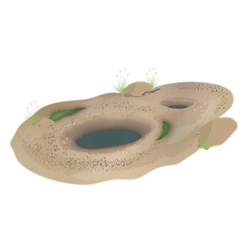
Gnammas are rock holes on granite outcrops that are filled with water when it rains.
They are a fresh water source for humans, birds, reptiles, frogs and mammals. They also provide habitat for aquatic plants and invertebrates.
| Aboriginal Name | Language Group |
|---|---|
| ngamar | Noongar boodja |
| ngamma | Noongar boodja |
Some gnammas are very deep (pit gnamma) and can hold water even during hot and dry conditions. Other gnammas are too shallow (pan gnamma) to hold water all year round.

A pan gnamma. Credit: Mark Cowan.

A pit gnamma. Credit: Mark Cowan.
Threats
- Pollution from introduced animal scat or urination, like goats
- Loss of water from introduced animals drinking, especially camels

- Water quality
- What species are in or using gnammas
- How well management of Country, gnammas and the animals and plants using gnammas is working
If you monitor the same place at the same time every year, you can see if there are changes to gnammas on Country.
Any time you do work that might disturb or interfere with native animals and vegetation, particularly threatened species, you need to check with the state authorities to see if you need any approvals, such as scientific licences or animal ethics committee permits.
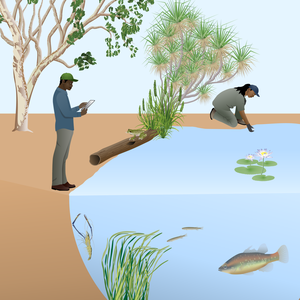
- Change in water quality – track if there are changes to water quality over time
- Plant biodiversity – what species of plant are found in a gnamma
- Animal biodiversity - what animals are using gnammas including birds, reptiles and mammals that drink from them, and frogs and invertebrates that live in them
- Species richness – how many species of plants and animals are found in/using gnammas
This method is a good way to monitor lots of different things about a gnamma at one time. It includes:
- Describing and measuring gnammas
- Checking water quality
- eDNA sampling
- Microinvertebrate (zooplankton) sampling
- Macroinvertebrate (water beetles, insects, worms and tadpoles) sampling
- Remote cameras
When monitoring gnammas, remember:
- Avoid disturbing or touching the water until you have finished the eDNA sampling.
- Use clean/new equipment between sites to avoid cross-contamination of samples.

- Animal biodiversity - what animals might be using gnammas like birds, reptiles and mammals that drink from them, and frogs and invertebrates that live in them
- Species richness – how many species of plants and animals are detected using gnammas
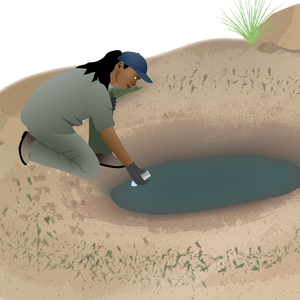
If you are interested in a simple and quick way to find out what animals might be using the gnamma, you can just collect eDNA water samples.
- Avoid disturbing or touching the water until you have finished the eDNA sampling.
- Animal biodiversity - what animals are using gnammas including birds, reptiles and mammals that drink from them, and frogs and invertebrates that live in them
- Species richness – how many species of plants and animals are found in/using gnammas
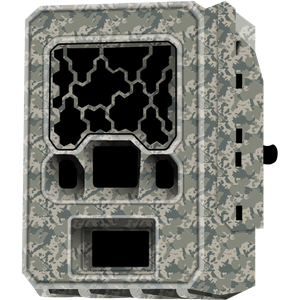
You can just use camera traps to if you are only interested in finding out what animals are using the gnammas. This can be a good way to check if introduced animals like Goats or Cattle are drinking from the gnammas.
- Make sure the camera is at a good distance and angle to capture any animals approaching and using the gnamma. It is a good idea to take a test photo to check that you have a good angle.
Primary sources
This landing page was developing using the following sources:
- Western Australian Museum (2025). Gnamma Holes.
- Bayly, I. (2002). The life of temporary waters in Australian gnammas (rock-holes). SIL Proceedings 1922-2010 28(1): 41-48.
- Department of Water, Land and Biodiversity Conservation (2009). Prioritising rock-holes of Aboriginal and ecological significance in the Gawler Rangers. Government of South Australia
Webpage version: GA-CM-GA-310326